
The flashing lights, the ringing bells, the palpable excitement – casinos hold an undeniable allure. The promise of fortune hangs heavy in the air, drawing players into a world where dreams can, and sometimes do, come true. But beneath the glitz and glamour lies a crucial truth: casino gaming is a realm where luck intertwines with strategy, and where responsible play is paramount.
This isn’t about chasing mythical winning formulas or guaranteeing riches beyond your wildest dreams. It’s about empowering you with the knowledge and insights you need to navigate the casino landscape intelligently. Consider this your personal expert guide, drawing from years of experience, designed to help you maximize your enjoyment and, yes, increase your odds of walking away a winner – all while staying firmly in control.
We’ll delve into proven strategies, explore the nuances of different games, and, most importantly, instill a mindset of responsible gambling. Prepare to unlock the secrets to smarter casino gaming and transform your experience from a game of chance into a calculated pursuit of entertainment and potential profit.
Understanding the Casino Landscape
Stepping into a casino can feel like entering another world, a realm buzzing with anticipation and the clatter of chips. To navigate this landscape effectively, it’s crucial to understand the fundamental elements: the games themselves, the odds they offer, and the ever-present house edge. Casino games can be broadly categorized into several types.
- Slots: These are games of pure chance, relying entirely on random number generators. The odds are typically less favorable to the player.
- Table Games: This category includes classics like blackjack, roulette, and baccarat. These games often involve a degree of skill and strategy, which can influence the outcome and potentially improve your odds.
- Poker: Unlike other casino games, poker pits players against each other. The house takes a rake (a percentage of each pot). Skill and strategy are paramount in poker, making it a different beast altogether.
- Specialty Games: Keno and scratch cards fall into this category. They usually have a high house edge.
The odds vary significantly between these game types. Blackjack, when played with optimal strategy, offers some of the best odds in the casino. Conversely, slot machines often have a higher house edge, meaning the casino is statistically more likely to win in the long run. In my opinion, if you’re looking for a game where skill can make a difference, blackjack or poker are better choices than spinning the roulette wheel or pulling a slot machine lever.
Decoding the House Edge
The house edge represents the casino’s advantage in any given game, expressed as a percentage. It’s the statistical difference between your expected payout and your wager. For example, a game with a 5% house edge means that, on average, the casino expects to keep $5 for every $100 wagered over the long term. This doesn’t mean you’ll lose $5 every time you bet $100, but it signifies the long-term statistical expectation.
A crucial stat for players to know is the Return to Player (RTP). RTP is the opposite of the house edge, representing the percentage of wagered money a game is expected to return to players over time. You can often find the RTP listed in the game’s information or help section, but not always. Knowing the RTP gives you an idea of how generous a game is supposed to be.
Mastering Bankroll Management: Protect Your Investment
Bankroll management stands as the cornerstone of responsible and potentially successful casino engagement. It involves treating your allocated gambling funds not as expendable “free money,” but as a carefully considered investment that demands respect and strategic oversight. Diving into casino games without a solid bankroll management plan is akin to sailing into a storm without a compass – risky and likely to lead to undesirable outcomes. The core principles revolve around establishing a dedicated gambling budget, setting stringent spending limits, and cultivating unwavering financial discipline. This approach safeguards your financial well-being and enhances your overall casino experience. Determine the appropriate bankroll size for your gaming plans, considering factors like games you play, bet sizes and your risk tolerance. After this build strategies for setting your limits daily, weekly and monthly. Remember to track all your spendings.
Setting Realistic Limits
Establishing realistic spending limits is paramount for sound bankroll management. Start by honestly assessing your personal risk tolerance – how much are you genuinely comfortable losing? This understanding forms the bedrock of your gambling budget. Implement daily, weekly, and monthly spending limits, ensuring they align with your financial capacity and risk appetite. The true test lies in adhering to these limits, irrespective of whether you are on a winning or losing streak. Financial discipline is tested in moments of excitement or frustration, but is crucial to protecting your investment.

Strategic Game Selection: A Pro’s Guide
Selecting the right game is paramount for anyone venturing into the world of gaming, whether for casual entertainment or more serious pursuits. A smart approach involves aligning your game choices with your risk tolerance, existing skill set, and understanding the inherent odds. This isn’t just about picking a visually appealing title; it’s about making informed decisions that maximize enjoyment and potentially increase your chances of success.
Understanding your own risk profile is fundamental. Are you comfortable with high-stakes scenarios, or do you prefer a more cautious approach? This self-awareness will guide you towards games that match your comfort zone. From there, consider your skill set. Are you a strategic thinker, adept at analyzing complex situations? Or do you prefer games that rely more on intuition and luck?
The gaming world is broadly divided into skill-based and chance-based games. Poker and blackjack, for instance, heavily rely on skill, strategy, and calculated decision-making. Mastering these games requires time, practice, and a deep understanding of the underlying probabilities. On the other hand, games like slots and roulette depend almost entirely on chance. While strategies exist, they primarily focus on managing your bets rather than influencing the outcome. While slots are fun, my least favorite game is probably roulette. I find it extremely boring.
For those inclined towards skill-based games, advanced strategies can significantly improve your odds. This might involve learning card counting techniques in blackjack or mastering bluffing tactics in poker. However, remember that even with the best strategies, luck still plays a role.
Skill vs. Chance: Knowing the Difference
The fundamental difference between skill-based and chance-based games lies in the degree to which your decisions impact the outcome. Skill-based games, such as poker and blackjack, require strategic thinking, knowledge of the rules, and the ability to adapt to changing circumstances. Chance-based games, like slots and roulette, rely primarily on random number generators or physical randomness, offering minimal player control. In my opinion, poker provides the best opportunity for skilled players to consistently outperform others, while a game like blackjack offers very good odds.
The Psychology of Winning (and Losing): Mental Fortitude
Casino gaming is more than just luck; it’s a mental battlefield where emotional control and rational decision-making reign supreme. The ability to stay calm, collected, and rational, especially when the chips are down (or piling up!), separates seasoned players from those who crumble under pressure. Winning streaks can be intoxicating, leading to overconfidence and reckless bets. Conversely, losing streaks can trigger panic and desperate attempts to recoup losses, often exacerbating the situation. It’s a constant tightrope walk of managing expectations and resisting the urge to let emotions dictate choices.
One of the biggest hurdles to overcome is understanding and mitigating cognitive biases. These mental shortcuts, while often helpful in everyday life, can be detrimental to sound judgment at the casino. From the allure of hot streaks to the need to double down and chase losses, cognitive biases lurk around every corner.
Improving decision-making skills involves a combination of self-awareness, discipline, and a healthy dose of skepticism. Recognizing personal triggers, setting realistic limits, and sticking to a pre-defined strategy are crucial steps. It’s about transforming gambling from a purely emotional experience into a calculated, strategic endeavor.
Taming the Gambler’s Fallacy
The Gambler’s Fallacy is a persistent cognitive bias where individuals believe that past events influence independent random events. Thinking that “red is due” on a roulette wheel after a series of black outcomes exemplifies this flawed reasoning. Each spin is independent; past results have absolutely no bearing on future probabilities. Recognize this fallacy; consciously remind yourself that each event is isolated, ensuring your decisions remain rational and statistically sound.
Advanced Strategies and Techniques
Venturing beyond the basics opens doors to complex techniques, vital for gaining an edge in specific casino games. While guaranteed winning strategies remain elusive, understanding core principles enhances decision-making and potentially improves outcomes. Let’s briefly examine a couple of games, and a famous strategy.
Blackjack Strategy: Mastering basic blackjack strategy is fundamental. This involves knowing when to hit, stand, double down, or split based on your hand and the dealer’s upcard. Charts detailing these decisions are widely available and provide a solid foundation for minimizing the house edge.
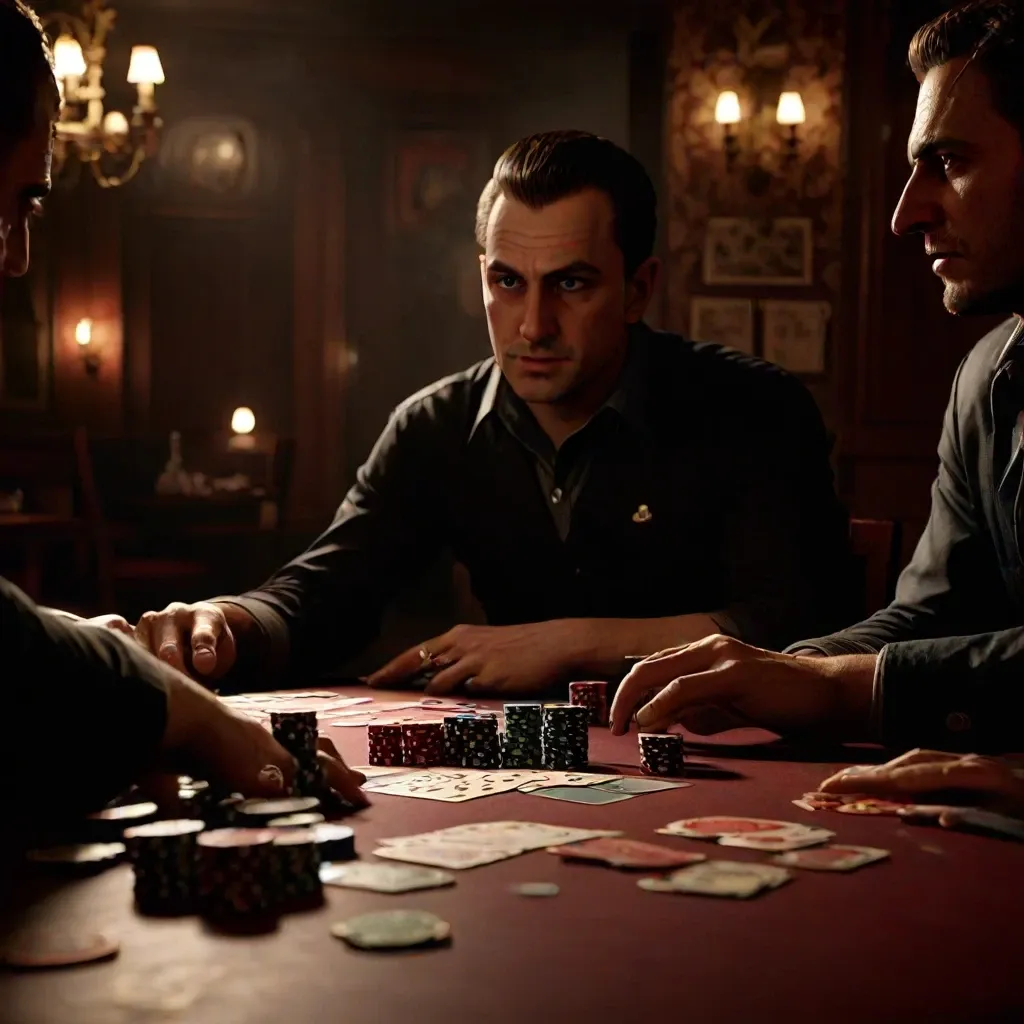
Poker Strategy: In poker, hand selection is crucial and depends heavily on your position at the table and the game format. Playing a tighter range of strong starting hands from early positions and loosening up in later positions is a common early strategy. Also, understand your opponents. Aggressive or passive? Tight or loose?
The Martingale System: Risky Business
The Martingale system is a betting strategy most famously applied to roulette or baccarat. After each loss, the player doubles their bet. The idea is that when a win finally occurs, it will recover all previous losses plus a small profit equal to the original stake. However, the Martingale system carries significant risk. It requires a substantial bankroll to withstand potentially long losing streaks, and most casinos have maximum bet limits, which can prevent the system from working as intended.
Common Pitfalls and How to Avoid Them
Recognizing and Avoiding Gambling Addiction
Gambling, when enjoyed responsibly, can be a source of entertainment. However, it’s crucial to recognize the potential pitfalls and develop strategies to avoid them. One of the most dangerous traps is chasing losses. This occurs when individuals attempt to recoup lost money by gambling even more, often leading to a rapid escalation of debt and emotional distress. A far better approach is to set strict spending limits before you even begin and stick to them, regardless of whether you are winning or losing. Consider it the cost of entertainment, and once that budget is gone, walk away.
Another significant risk lies in gambling under the influence of alcohol or drugs. These substances impair judgment and decision-making abilities, making individuals more susceptible to impulsive decisions and irrational bets. It is always best to gamble with a clear head. Furthermore, be wary of scams. Shady individuals might try to deceive you with false promises or rigged games. Always stick to reputable casinos and be skeptical of any offer that seems too good to be true. Casino employees usually keeps an eye on this.
Pay close attention to your gambling habits. Problem gambling can manifest in various ways, including an increasing preoccupation with gambling, neglecting responsibilities, borrowing money to gamble, and experiencing restlessness or irritability when trying to stop. If you recognize these signs in yourself or someone you know, seek help immediately. Resources like Gamblers Anonymous and the National Problem Gambling Helpline offer support and guidance. Remember, responsible gaming is about maintaining control and ensuring that gambling remains a source of fun, not a source of stress or financial ruin.
Conclusion
Mastering the art of casino games is more than just luck; it’s about combining strategic play, solid bankroll management, and informed decision-making. Approaching casino games with a responsible mindset transforms the experience from a risky gamble into an engaging and potentially rewarding pastime.
Remember the foundational principles discussed: understanding the odds, setting limits, and recognizing when to step away are crucial for maintaining control. As you continue to explore the world of casino gaming, prioritize responsible gambling habits. By doing so, you not only protect your resources but also ensure that your gaming experiences remain enjoyable and entertaining.
Embrace the knowledge you’ve gained, practice strategic play, and always make choices that align with your financial well-being. With dedication and a commitment to responsible habits, you can navigate the world of casino games with confidence and maximize your chances of success without succumbing to the pitfalls of uncontrolled gambling.